Tuesday, 5 July 2016

Sleeping Fox

There’s often a story behind the taking of any photograph, especially with wildlife and on this occasion this was no different.  Having tried on numerous occasions in the last six months to photograph Foxes, without luck, it was seemingly just another attempt.  They can be surprisingly elusive, more typically nocturnal though at this time of year the cubs have been ‘kicked out’ of their home and so looking for their own territories.

Luck was on my side this time as I spotted a reddish brown clump of fur in a sea of greenery.  Already waist high in grass I just needed to cover my lens and top half with my trusty netting and settled for a wait, and wait I had to as after nearly 20 minutes of no movement I was starting to think the poor Fox may not be alive but a flicker of an ear proved otherwise.  Another 10 minutes or so and it woke up had a scratch, a quick look around, another scratch then back for a snooze.

Sleeping-Fox

After I momentarily looked away then back the Fox, which had barely moved in 40 minutes, had got up and was disappearing into the long grass.  I thought that was probably the last I would see of it – there would be no point in trying to follow it, but was just the slim chance I could work my way around the direction it was taking where I could move quickly without being noticed, and maybe catch up with it further along.

I found a spot with a clearing and barely had time to set my camera up and haul my scrim netting over when it came right into the spot I had hoped it would.  I would like to say this was skill on my behalf but wildlife photograph and watching is made up largely of luck.  The Fox could have gone in any direction including doubling back or in the thick undergrowth, I could have just as easily not seen it, but here it was and not only that but in that one spot it then proceeded to take another nap!

The differences in the look of the images was due to the continuing change between dull and cloudy one minute to bright sunshine the next.  Due to the long grass obscuring a clear view, focusing had to be done manually.  Despite this many of the images came out a bit fuzzy although on a couple of shots it worked in my favour by giving the image a centre of focus.

IMG_8141

IMG_8146

IMG_8148

IMG_8161

IMG_8164

IMG_8167

I had my camera set to ‘silent’ mode, though not completely silent it was enough not to disturb the Fox which slumbered but for the occasional stretch, yawn or glance around especially when a couple of Magpies made a noise presumably due to the this predator being in the area.

After over half an hour, being in some discomfort having not have time to ‘set up’, a combination of cramp and flies, I decided to quietly move away, leaving the still sleeping Fox none the wiser I was even there.  Moving slowly away with my netting now off, to my left in plane sight, was another Fox just staring at me.  With the very narrow sight of view I had under my netting and just seeing through the camera’s viewfinder, I hadn’t seen this one.  I don’t know if it had just came into sight as I moved away or if it had always been there but I barely got off a few shots knowing I had been well and truly spotted, before it was quickly off.  I’m guessing this second Fox explains why the Magpies were making so much noise earlier.

IMG_8181

I figured the other Fox, probably a sibling, would now also be alerted to my presence and be off but it was still asleep.  With legs now stretched I decided to stay another few minutes which was all it was before this other one woke up and started to have a look about, where it spotted something in the grass and before I knew it, had pounced and swallowed whatever it was, whole.  It then vanished into the long grass.

IMG_8191

IMG_8202

As I left the way I had came, a final look back and noticed one of the Foxes watching me leave.  I thought it made a nice composition peering at me in a sea of grass.

IMG_8207

Thursday, 30 June 2016

A Farne Islands Return - Part 2

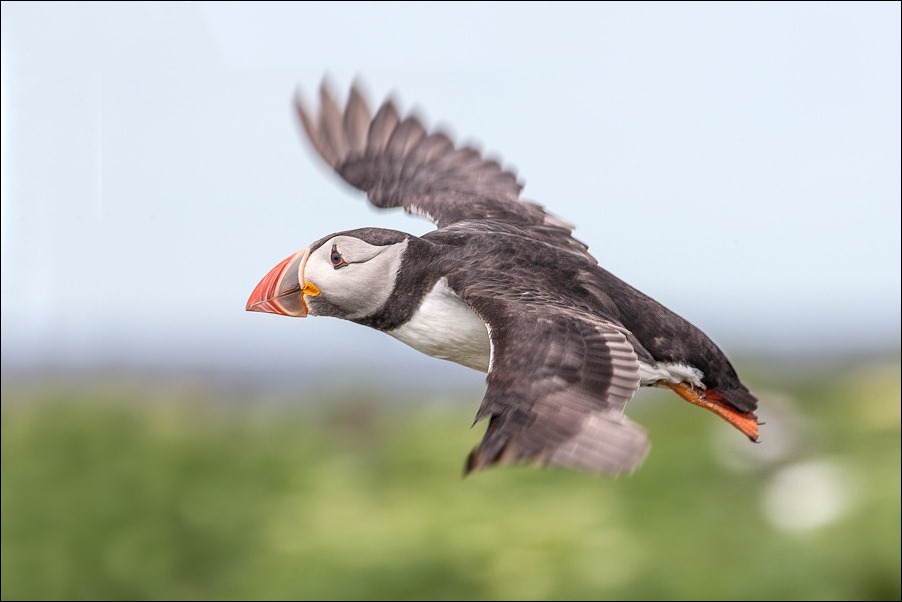
I finally managed to look through the remainder of the photographs took at my recent visit the the Farne Islands.  I’m a little disappointed that there wasn’t that ‘special’ image amongst them, a few nearlys had it not been for misfocus or cut off parts of the bird, but that’s photography for you.  Last year I took a 500mm lens to see what, if any, difference that would make.  Turns out I found it a disadvantage over previous years taking the 400mm.  The most obvious reason being the birds are all around you – feet away, the 400mm lens seems the best option all round.  The other not so obvious is the more limited field of view.  It’s hard keeping a fast flying Puffin within the viewfinder.  Then of course there is the portability, it’s much more convenient hand holding a lens which you can easily swing around.  On the day there were people with everything from camera phones to 500mm lens to even a cine camera!

On the Ground

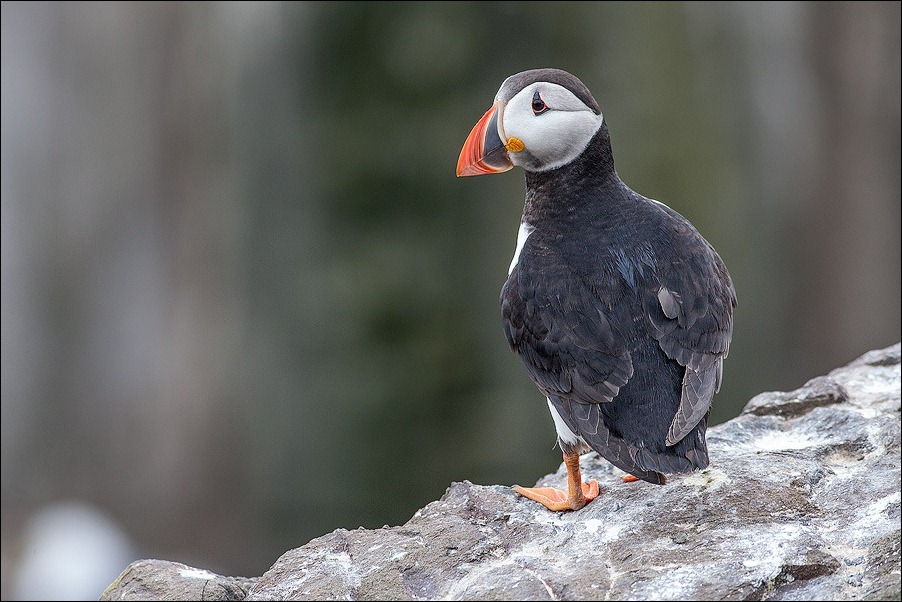
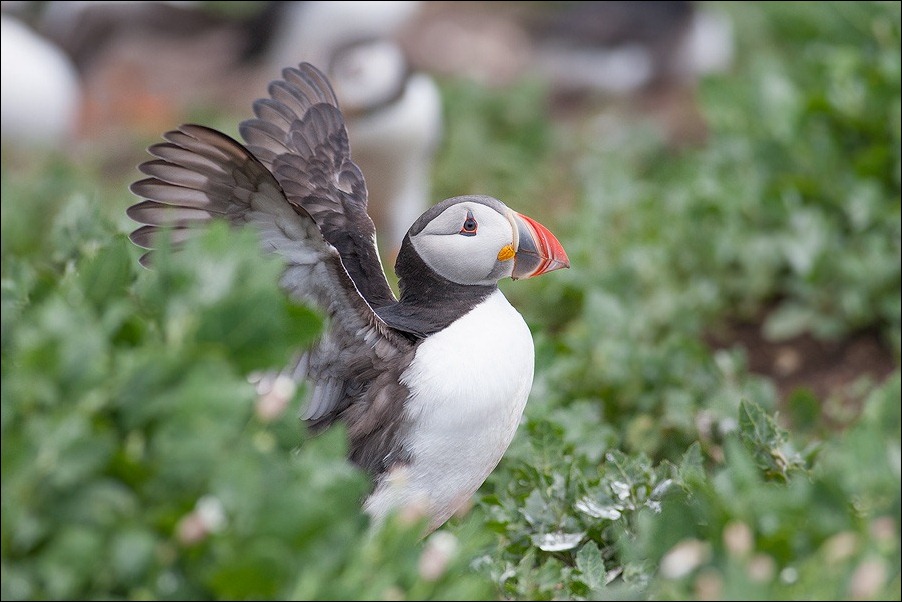
Like the Turns, the Puffins nested right up to the boardwalks (or at least their burrows were).  Surprising everybody I saw were standing up when taking pictures.  By kneeling down I was able to get a few more interment shots at eye level.

SMP_4575

SMP_4822

SMP_4468

SMP_4837

A close up.  You can just about make out my reflection in it eye

SMP_4679

A Puffin being mobbed of its catch by Black Headed Gulls


In the Air

SMP_4540

Coming in for a landing

SMP_4546

SMP_4648

SMP_4677

SMP_4687

SMP_4718

SMP_4752

One of the few images of a Puffin with Sand eels


On the Edges

Perhaps the only reason why you might want to take a long lens were for those birds further out on the cliff edges, though I was till able to take some images at 400mm, no cropping.

SMP_4863

SMP_4871


Some Technical Details

The best way I found to photographing a Puffin in flight was to look for one in the distance, follow it in the viewfinder whilst focusing on it, then when it got close enough, take the picture – or in my case I let the camera shoot at its full 10 fps.  You can see in the image below that the sky could be crowded with birds often over lapping the bird I was following so I set the tracking focusing sensitivity to partially slow.  Despite being reasonably bright to start off I used ISO 400 or 800 and for those birds in flight the smallest aperture I could with a shutter speed over 1/1000.  Unfortunately my camera doesn’t support true auto ISO as this would have helped due to the sudden drop in shutter speed once the birds landed against the darker background.

SMP_4769

Strangely this year, the Puffins were flying in from the opposite direction with their catch, than with previous years hence few opportunities to photograph them with Sand eel as I'd done on previous occasions.  I’m guessing this was down to the stronger winds and direction?  One of these years I will take out the tour option where you can the best part of the day visiting the different islands and can spend more time on each.  The single trip works out as barely 45 minutes photographing time so the tendency is to just take as many photos as possible in the time rather than just sit back watch what’s happening and taking a bit more effort with the photography, maybe spend some time just trying to catch a Puffin flying into its burrow, avoiding the Gulls.

Tuesday, 28 June 2016

A Farne Islands Return - Part 1

Well, it’s that time of year again when it’s time to pay a visit to the Farne Islands.  I often take a week or two off work around the busiest time on the islands, when the various chicks are needing regular feeding and, too much later, will have fledged.  As always the weather played a determined part in my going, with Monday looking ok’ish, Tuesday and Wednesday rain forecasted and Thursday, Friday…well the forecasters are hopeless and predicting a reliable weather report that far ahead, so didn’t want to risk waiting. Monday it was.

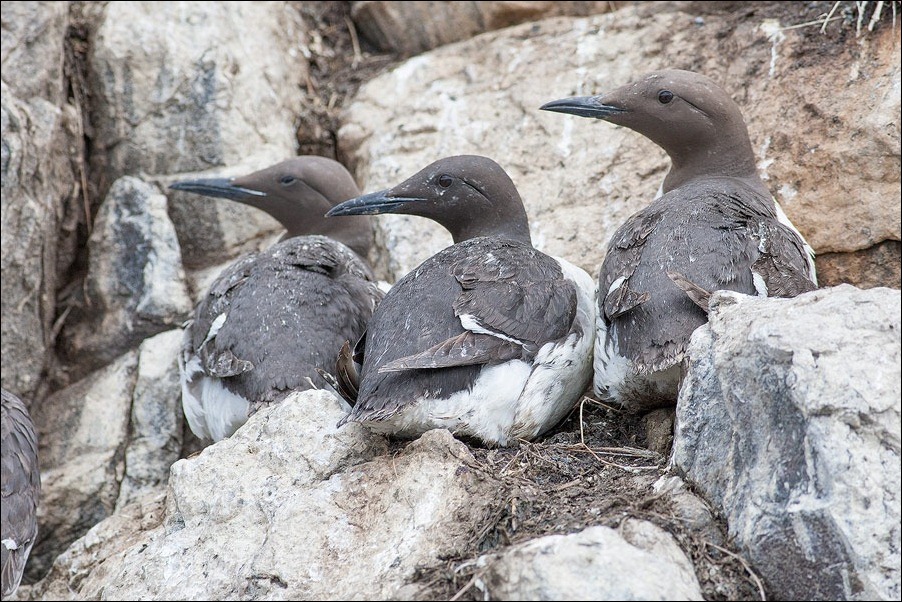
The whole Farne Islands experience starts with the boat trip around the islands where they stop right up to the cliffs where there is an assortment of nesting birds including Puffins, Shags, Kittiwakes and Guillemots.  There was even a sight of a Gannet.

Shag

Puffin

SMP_4389

SMP_4390

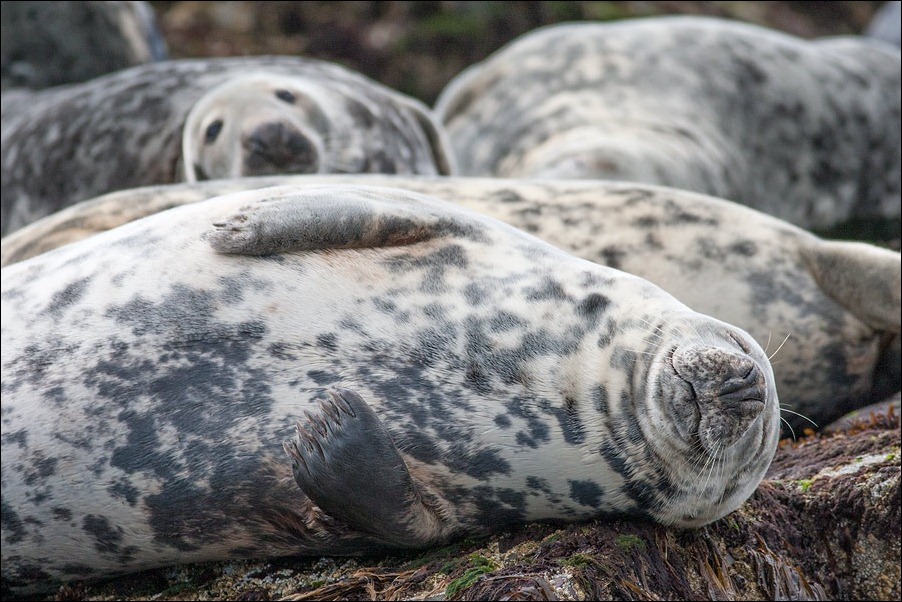
As well as the birds on the cliffs, you’re taken around the seal colony.  They seemed quite un phased and indifferent by it all, these tourists packed inside a boat gawking at them, despite again, getting close up.

SMP_4397

SMP_4406

SMP_4418

IMG_0129

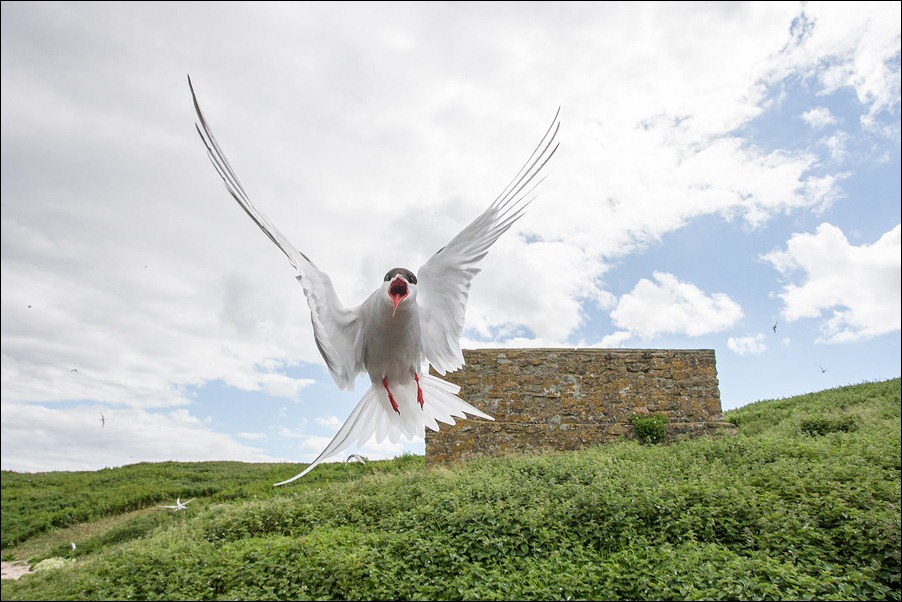
Finally comes the landing on Inner Farne, just one of the islands that makes up the Farnes.  Everybody’s pre warned and ready for what comes next!  Head protection on, as it’s the gauntlet of Terns once you’re off the boat and walk up the board walk, past the Tern nests.  Each year, despite the thousands of visitors, the Terns still nest in the same place, often a few feet away from where people pass.  I suppose the official reason for the attacks is that they are protecting their nests, but watching I can’t help but wonder if they don’t do it because they enjoy it.  I stopped to take one photo of the below Tern who just starred at me with a grumpy look, otherwise I did what I do every year which is walk past, wide angle lens on my camera which is set to the fastest frames per second possible, point up and walk!

Most shots are out of focus or out of frame but the occasional one is just about right.  It’s not so much the pecking I’m concerned about but what the other end of the bird can do and looking at the jackets of the helpers on the island who are there daily, it’s probably wise not to hang around.  Besides you have less than an hour on the island which may seem a while but that time soon goes.

SMP_4958

SMP_4900

SMP_4973

SMP_4982

The main part of the trip, at least from a photographic point of view are the Puffins and there is not short supply of them.  The boardwalks continue around the island and through the vegetation where the Puffin burrows are where the chicks are in the nests.  For anyone who has never been to the islands the sight and sound is amazing.  Much like the Terns, the Puffins are also nesting right past where you walk, though unlike the Terns the Puffins have a bit more of a easy going nature – maybe too much so as they have to pass the gauntlet that are the gulls, intent of robbing them of their Sand eel catch.  They fly in and are immediately accosted by the gulls often five or more and have to scramble into their burrows.  Little chance then of the classic photograph of a Puffin with a beak full of the eels then.

SMP_4471

SMP_4476

SMP_4484

SMP_4520

SMP_4531

Having not even looked at a third of the images taken on the day, I’ve decided to break this down into two different blogs with the second part coming after I’ve had a chance to look at the remaining photographs I took on the day.  Hopefully there might be a few ‘special’ ones.

Sunday, 22 May 2016

A Bit Worse for Wear

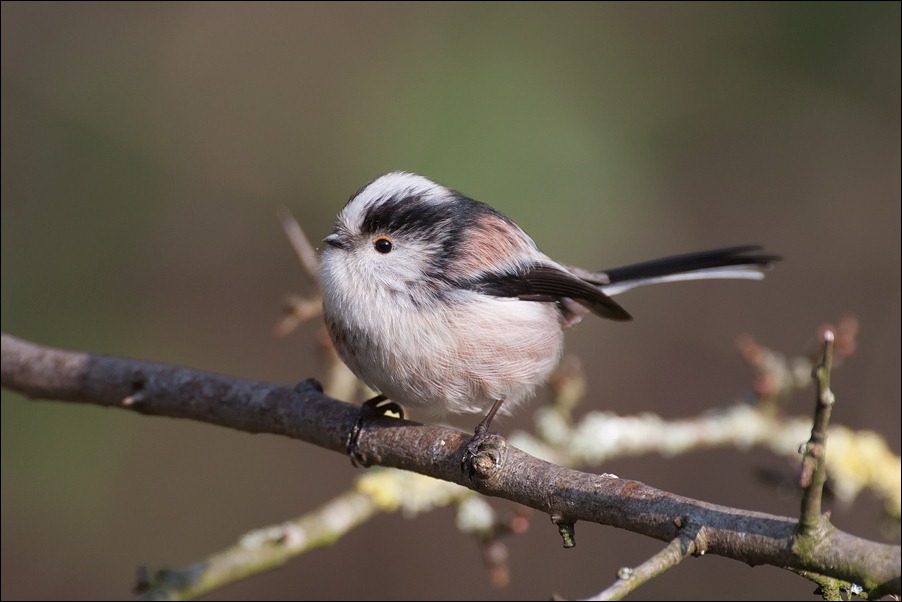
The Long Tailed Tit is one of Britain's prettiest birds with its plump plumage of pink, white and black…at least normally.  At this time of year constant feeding of its young means less time for feeding and personal grooming resulting in, well a bit of a transformation.  The first picture is what you would typically expect to see, in top condition and looking its best.  The other pictures were taking this weekend of a pair busy feeding their young.  The harsh lighting didn’t help in bringing out their best, but still, they’re not going to be wining a beauty contests anytime soon!

Long Tailed Tit

Long Tailed Tit

Long Tailed Tit

Long Tailed Tit

Long Tailed Tit

Long Tailed Tit

Long Tailed Tit

Long Tailed Tit

Long Tailed Tit

Long Tailed Tit

Long Tailed Tit