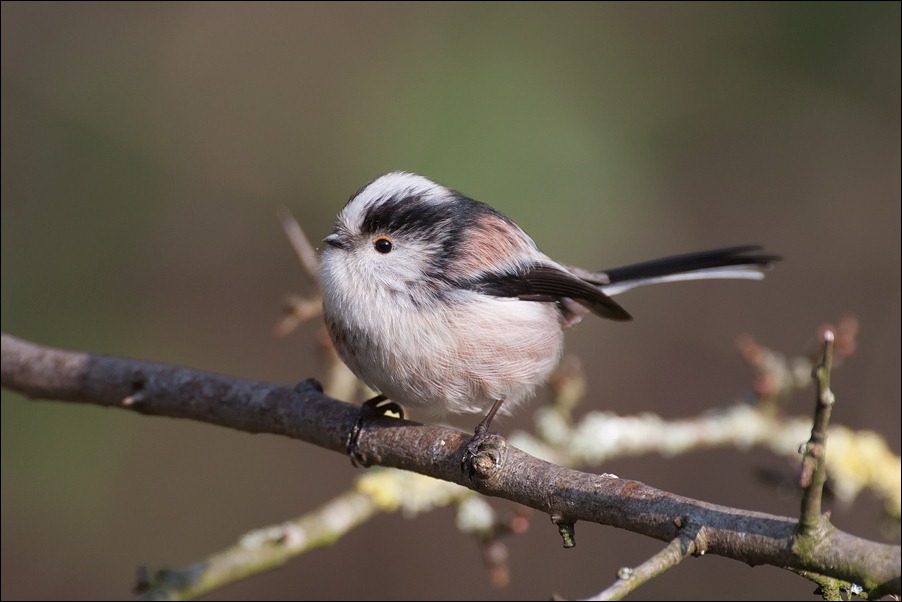
The Long Tailed Tit is one of Britain's prettiest birds with its plump plumage of pink, white and black…at least normally. At this time of year constant feeding of its young means less time for feeding and personal grooming resulting in, well a bit of a transformation. The first picture is what you would typically expect to see, in top condition and looking its best. The other pictures were taking this weekend of a pair busy feeding their young. The harsh lighting didn’t help in bringing out their best, but still, they’re not going to be wining a beauty contests anytime soon!
Showing posts with label Long Tailed Tit. Show all posts
Showing posts with label Long Tailed Tit. Show all posts
Sunday, 22 May 2016


Sunday, 26 May 2013
Same again…but this time with sunshine
| With the weather forecasted to be the same as last time I went out (wall to wall sunshine) I hoped this time it might actually be so, so decided to do a repeat of that day – macro, Sand Martins in flight and infrared. First though, I stopped off at the Long Tailed Tit nest where I tried to photograph them and some tame Robins. Both the Robins and the Long Tailed Tits where beavering backwards and forth feeding their young and were being even more elusive to the camera than before. I came prepared this time with some mealworms but, as the Robin seemed to like the pasty I was eating the last time I got another (no improvement in taste) and left some crumbs around again along with the mealworms. Again, down came one of the Robins, but surprisingly, ignored the ‘tastier’ mealworms and went for the pasty crumbs! Worse, it seemed to be taking it back to one of its fledglings. Fortunately the other parent seemed to be more responsible and brought them insects. Lighting initially was tricky. The perch was mostly in shadow but the background lit with sunshine. As the sun moved up it was to the side and slightly behind making for a difficult and contrasted shot. I tried various metering including spot and compensation. |
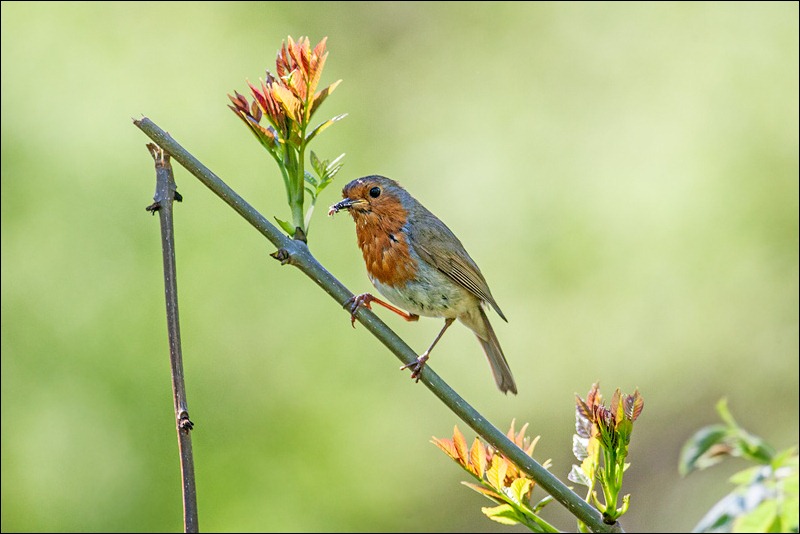 |
| Strike a Pose – Robin posing briefly before feeding fledgling |
 |
 Poor Robin not looking its best with all the time spent bringing up its young |
 Junior waiting to be fed |
 |
 |
| Above – best of a bad bunch. The Long Tailed Tit parents just wouldn’t land where I wanted them too or if they did, it was very briefly! |
    |
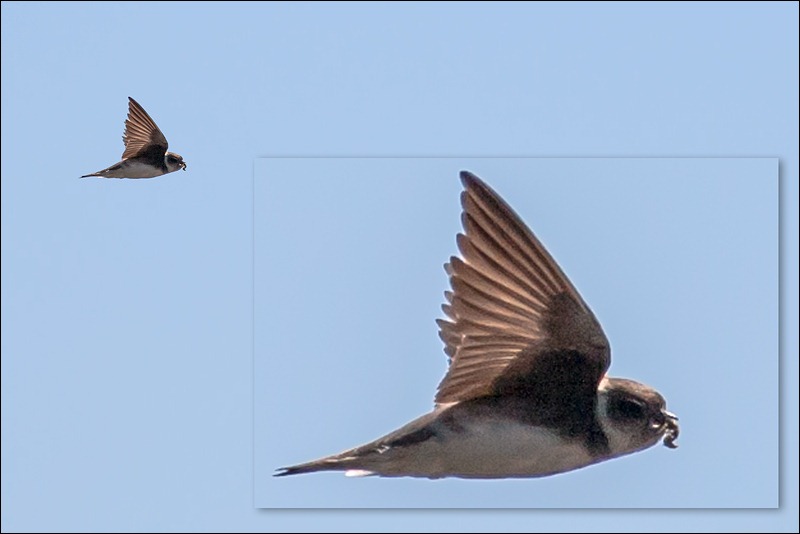
| After more than three hours spent trying to photograph one of the Long Tailed Tit parents, I eventually gave up as they just wouldn’t cooperate by landing and staying still on the perch I had pre-focused on. With midday rapidly approaching and the sun miraculously still shining, I headed off to the Sand Martin nest sites along the banks of the river. Each year I visit this site and they frequently move slightly either up or down from the year before. This year they stayed put unfortunately as, as with last year, I couldn’t get a clear shot of the entrances which would make for an easier photograph of these fast moving birds. The original plan anyway was to try and photograph them in flight, try being the optimum word. Standing on riverside bank meant I was looking down on the birds most of the time as that’s where most of the insects were and where their nests were. Trying to focus on a small, fast moving bird with either the river or the far banks trees as the background was impossible, at least I found it so. I have the Canon Mk III and which is within the range of serial numbers that was publically affected by focusing issues. However, I don’t know if I’m expecting too much for it to be able to focus with such a cluttered background and a small, fast moving subject. It just would not lock on despite trying different settings under these conditions. Once flying with a blue sky as background, there was no problems in focusing or tracking. Unfortunately they rarely stayed above the tree line and when they were, they did so at a distance so I was unable to get any close up shots. I spent two hours practicing photographing them and would have stayed longer but was starting to cook under the afternoon sun. Although I was unsuccessful in achieving any good images, it was good practice and given more time, blue skies, sunshine and a higher factor of sun protection cream, I reckon it was very feasible to get a decent shot of one of them in flight. Once I got home and was able to look at the images, it was interesting to see these Sand Martins close up. Seeing them normally, they just seem like streaks of blur flying around the sky catching insects for their young, but they were carrying various things in their beaks and not all could be identified. |
 |
| Unsure what this bird was carrying – clearly not insects |
 |
 |
 |
| Carrying a large feather, presumably for the nest |
 |
 |
 Little macro opportunities – this was highlighted against the dark, opposite bank of the river |
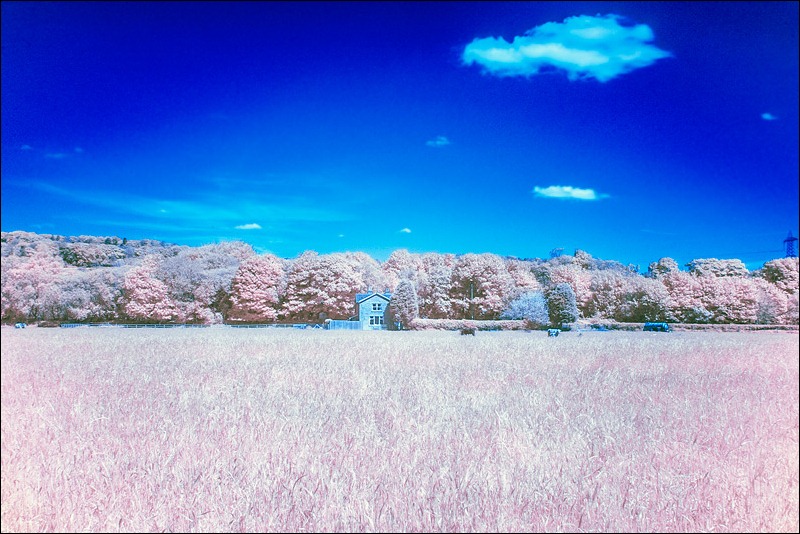
| A few opportunities came up to do some some infrared photography. I didn’t bring my main tripod knowing I would be walking some distances and infrared not being the main reason for the outing. I did bring a small tripod that I got free from the cover of a computer magazine that is barely six inches tall and folds flat, that I did bring along. Putting my camera on that and that in turn on top of my back back and connected to a cable release gave for a relatively sturdy platform especially, as there was barely any wind. Like macro, infrared photography is something I would like to give a real go at. To get the best images, ideally you need to convert a camera but this costs about the same as a new lens or camera. Next best option is the Hoya R72 filter, but for my main landscape lens which is 77mm this would cost close to £100! Instead I got the cheaper Cokin square version but found this not only as less effective but it lets in a bit of light. So I used an old protective skylight filter that I used to have on my lens, removed the glass and then reshaped the Cokin one so that it fitted its round frame and voilà, a round, light tight infrared filter. The conditions were ideal – bright sunlight and very little wind meant a ten second exposure and little tree movement blur. I still need to work on the correct white balance to get the colours I want. |
 |
 |
Friday, 17 May 2013
Is it Summer yet?
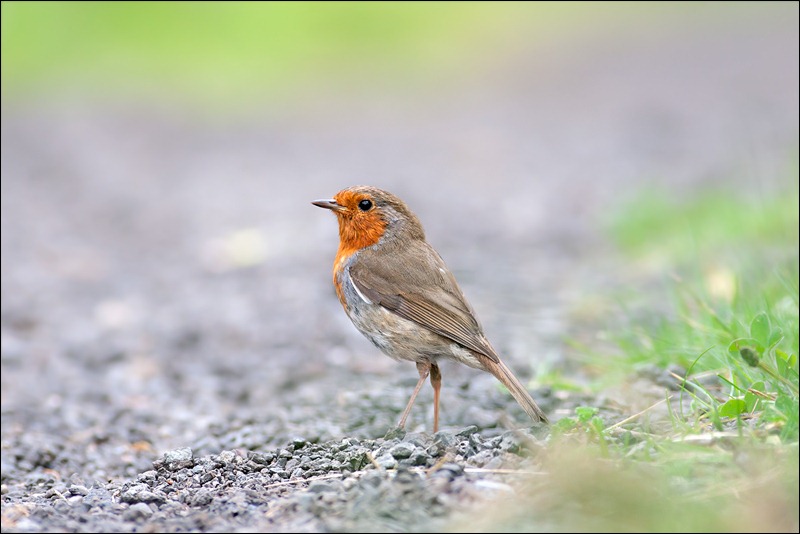
| Well, technically yes. However in reality, with temperatures struggling to get above 15 degrees, cold strong winds from the north and always a threat of rain each day, it doesn’t feel like it. I suppose I shouldn’t be surprised. Each ‘Summer’ we wait for that spell of warm, sunny and hopefully dry weather which you hope for by this time of year and before you know it, it’s Autumn and another year’s gone by and you’ve go six months of cold, wet weather to look forward to. So it was with high hopes, optimism, a forecast of plenty of sunshine and a drop in that cold wind that I went out with the plan to make the most of these rare conditions by doing some macro, infrared and Sandmartins in flight photography – all ideally requiring bright sunshine. Unfortunately by the time I arrived on location, the sun was rapidly disappearing and after spending some time hunting around for a few macro opportunities I settled by the edge of a large pond hoping for some insects there, but little was stirring. With little in the photographic offerings, I decided to tuck into a pasty I picked up on the way which turned out to be pretty disgusting but got the attention of a Robin which fluttered in close by. |
 |
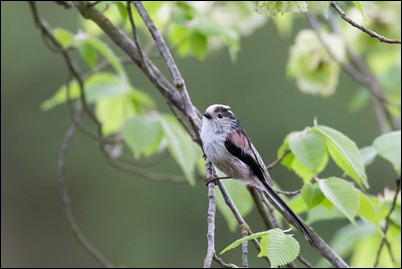
| I then caught sight of movement in the bush next to me and saw a Long Tailed Tit just within arms reach of me. I’ve never been that close to one of these birds, only from within the viewfinder of my camera with a 500mm lens and converter lens attached. To actually see one of these very pretty little birds so close was quite a sight. I notice it was making a bit of a noise despite having some food in its mouth and as it disappeared into the bush and I heard some frantic chirping, I realised there must be a nest of chicks right next to me (see image below), so I withdrew to a distance. There was a temptation to, at the very least have a look in the bush for the nest or take out my 105mm lens and take some photos of the chicks, but with my interest in wildlife and particularly photographing it, I’ve always tried to put the welfare of the animals first and, although not illegal to disturb this particular bird at its nest in this country, I felt it wrong to have done so. |
 |
| Above – showing where the nest roughly was. Below - the only, poor images, I managed of the Long Tailed Tits as they darted in and out |
  |
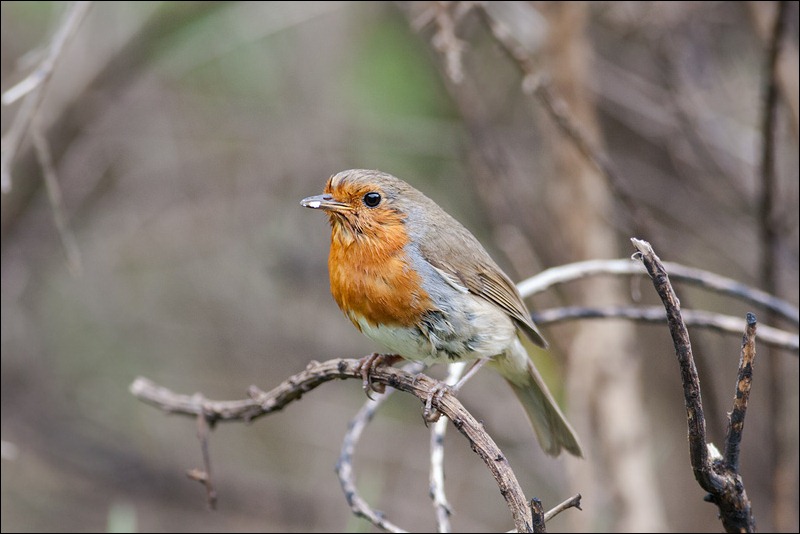
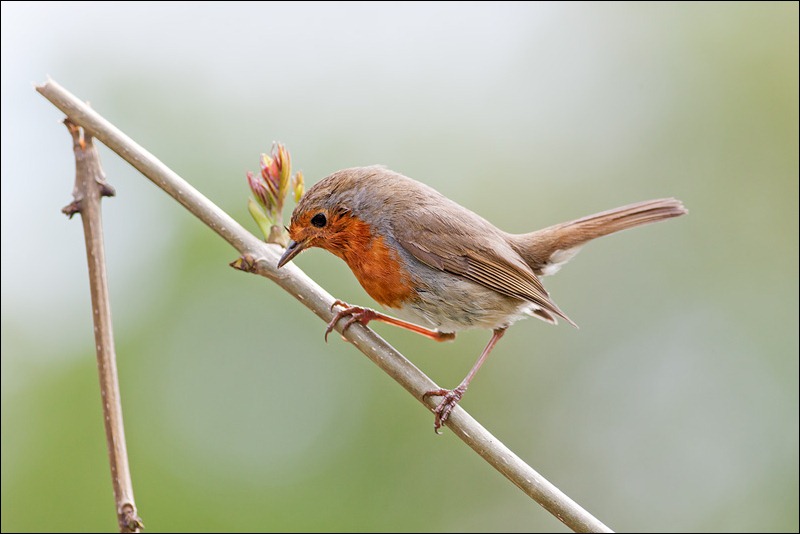
| Knowing how close I was to the birds as they flew in and out of the nest, I could have got a great picture of them however, withdrawing a respectable distance meant I was on the wrong side of their approach and could only get some distant or obstructed views. I sat and waited in the hope that one of them might land on the top or side of the bush. With a green out of focus background and the thorny bushes with their yellow flowers as a perch, this would have made an iconic image. As I waited and the parents regularly flew in with food for their young but not giving me the ‘shot’ I wanted, the Robin landed on bush to my other side and just looked intently at me. Again, it was almost within reach. The 400mm lens I had attached to my camera would simply not be able to focus on something so close so I tried to quickly attach my 105mm lens and, just as I pointed it at him/her it was off. I changed lenses back in anticipation of my iconic shot of a Long Tailed Tit when the Robin returned, landing on the same twig looking at me again. This time I did nothing and it dropped down to where I was originally sitting next to the nest while eating my tasteless pasty. It was after the flakes of pastry left behind. After about ten seconds, it flew into a nearby bush then away. Fifteen minutes later exactly the same thing happened again. Switching back and forth between the 400 lens for the Long Tail Tit and the 105 lens for the much closer Robin wasn’t working. I think the Robin was toying with me. It seemed to wait for me to change to the 400mm lens, fly in, land on a nice close by perch, wait again for me to change to the 105mm lens then fly down the dip to where my pasty crumbs where. After around half and hour of the battle of the bird brains, I changed tactics, gave up on the Long Tailed Tits and moved further back were my now permanently attached 400mm lens was in minimum focusing distance and I waited, pre focused on the twig it had kept landing on. Ten minutes later it was back, only this time it landed on a different perch, again closer to me and again too close to focus! Round two to the Robin. I moved further back so that now the whole of the bush was in focusing distance. Ten minutes later it was back, landing on a different perch again and gave me just enough chance to focus before it dropped down below the dip again, occasionally poking its head up to look at me and mock my slowness at photographing it. Round three to the Robin. I spent the next 40 minutes just watching it as it followed a similar pattern – a ten minute interval, fly in, land on the bush, one of any four perches, fly down for a quick feed of around 10-20 seconds, then up to another bush on the other side, pause, then off. With this, a new strategy was formulated and the next time it came I was finally managing to barely grab some snapshots though I’m sure it was still toying with me as it flew right behind me on occasion, barely a metre away. After two two hours, I was able to get some decent images partly thanks to another Robin that appeared with some food for its young. |
 |
 |
 |
 |
 |
 |
 |
| Many of my images were of its feet leaving the cameras frame or blurred or out of focus and the weather didn’t help either. Intermittent rain and dark clouds meant I started of at 400 ISO and ended up at 3200 so I could keep the shutter speed as high as possible. Eventually I decided it was a score draw between us – It got my pasty crumbs and I got some images. With the light now too poor to do any of my original photographic assignments I headed back. I have to say, the Robin is my favourite UK songbird. Usually if you go near a Blackbird it will make a clattering sound as it flies off. A Blue or Great Tit will put up an alarm call, a Wren will dart into the undergrowth but the plucky little Robin, with a little bit of food on offer, will be straight in there. In winter I’ve had them feed out of my hand and even landed on my shoulder whilst I’ve been eating a sandwich. Easily the most accessible small bird to photograph, no wonder I’ve probably photographed this one more than any. |
 Approaching rain clouds |
| When the sun was out I did have one opportunity to do some macro photography with an obliging fly. Macro photography is something I’d really like to give a go at, but since getting my macro lens – a Sigma 105mm f2.8 lens – a few year ago, I’ve rarely had a chance thanks largely to the poor weather. I’ve found it’s a whole new way of photography, learning a different subject and style. It’s also a completely different world seeing insects and such so close up. I’ve found that without a ring flash and with a non stabilised lens, you really have to rely upon bright and sunny conditions. There’s also got to be little or no wind as this can move the subject around if it’s on vegetation. The image below was taken at ISO 400 in bright sunlight and yet I still had to stop down to f3.2 to achieve a shutter speed of 1/160. The depth of field was so narrow. I should have really used a tripod as even my breathing in and out was moving the subject in and out of focus. What I’ve found out about this lens so far is, like my other Sigma the 500mm tele, it’s a bargain also sharp wide open. It’s only my second attempt at macro so hopefully I will get more opportunities this summer, weather permitting. |
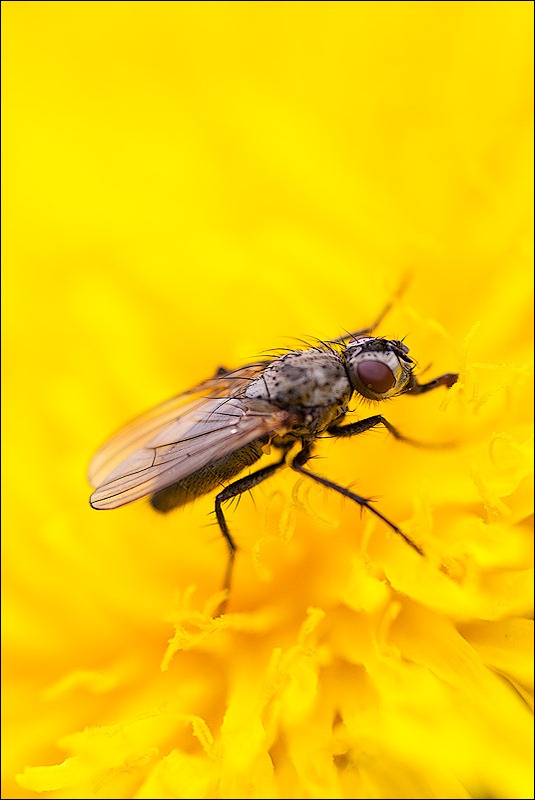 The only macro shot I could muster |
Saturday, 23 February 2013
Spring?… Well, not quite!
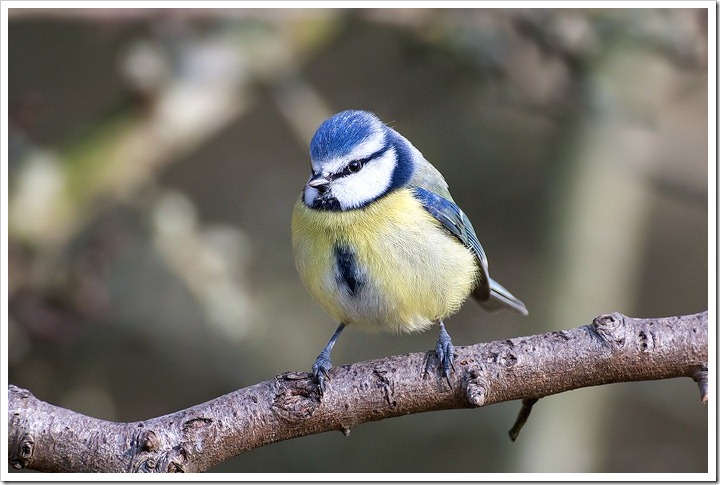
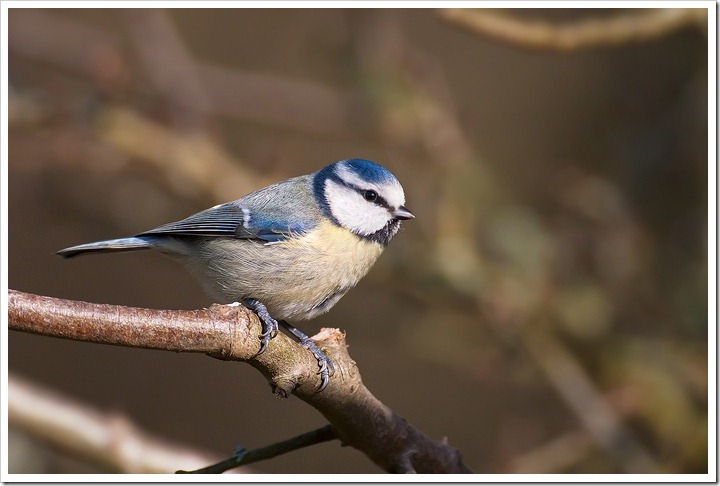
Beginning of the WeekA rare bout of wall to wall sunshine brought me out of the doldrums to see what wildlife was on offer. An opportunity to photograph two birds in particular that have eluded my previous attempts – the Bullfinch and and the particularly pretty Long Tailed Tit – were too much to pass up. The former seems to nowadays be rarer than I remember them to be during my childhood, where they seemed to be quite common. The latter just seems to always stay hidden away. The bright, almost spring like sunshine helped bring the best out of the images with a fast shutter speed enabling me to ‘freeze’ them as they didn’t stay in any one spot for more than a second and I resorted to pre focusing on one spot where they would stop briefly. |
 |
 |
 |
 |
 |
 |
 |
 |
 |
 |
 |
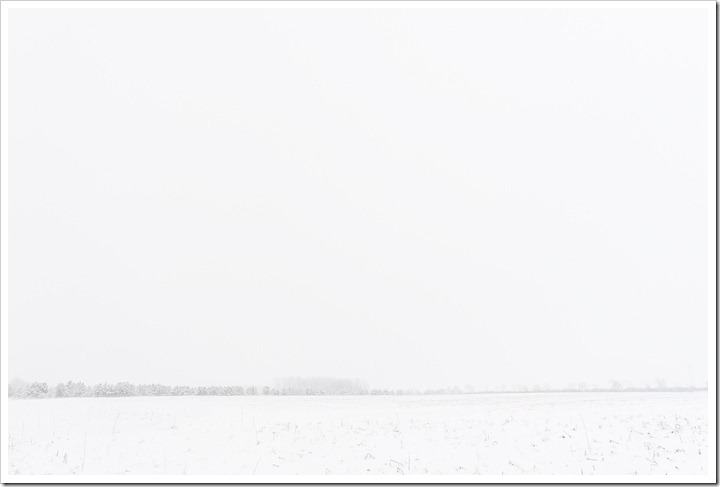
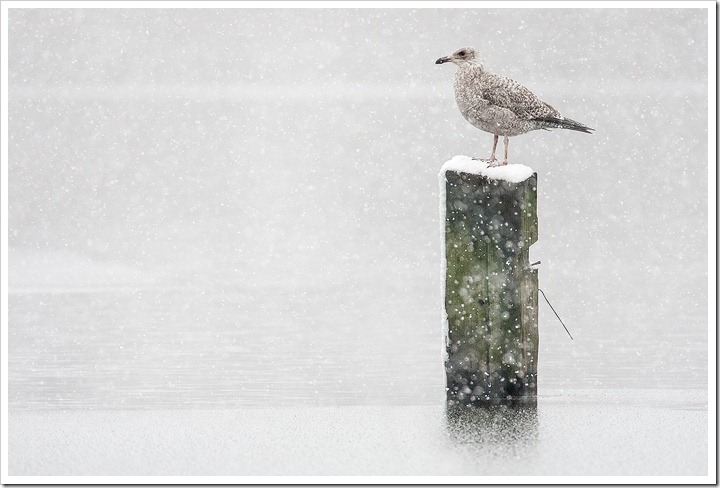
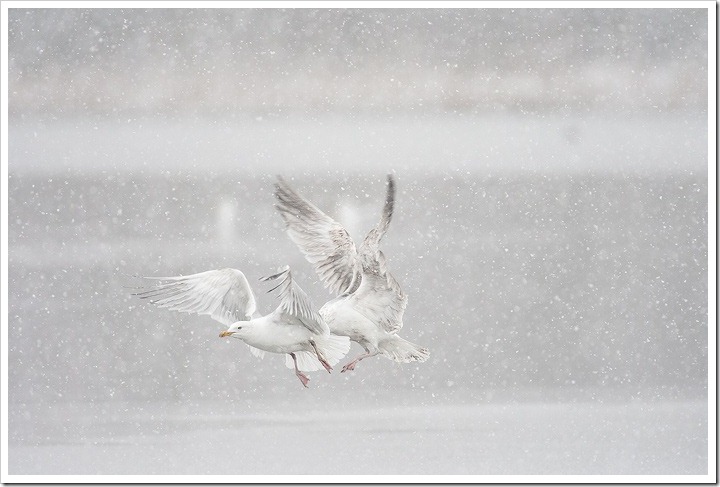
End of the WeekWithin a week, winter had returned with a fall of snow blanketing Tyneside. Still, I can’t resist the temptation in going out in this kind of weather. |
 |
 |
 |
 |
 |
 |
 |
| |
| A post of mine wouldn’t be complete without some kind of rant at dog walkers. A sign at the entrance of this nature reserve saying ‘dogs to be kept on lead’. Of the dozen plus dog walkers I saw, only one had bothered to adhere to this rule. kudos to that one individual. (not the individual in the picture who had just walked past that sign!) |

Subscribe to:
Posts (Atom)


