| In the relatively short time I have been photographing wildlife, I have seen many changes particularly in the changing fortunes of the wildlife – I don’t think many of us think about the animals around us and their daily struggle for survival and our impact on them. With every new year, as well as looking for new places interest, I have a dozen or so locations of which I have regularly visited and it is at these areas I find that rarely is one year the same as the previous in what I will see. The reasons no doubt vary – changing habitat, disturbance, disease, seasonal changes in the weather or just a natural changing balance of nature. From a photographic point of view it means no guarantees on what I can shoot on a yearly basis and so take advantage of any unusual influx or increased population of an animal. The below choice is not exclusive or necessary typical nation wide, rather from my own experiences of the animals I have or would usually see or seek out. |
 On the way up | Grey SquirrelNo more obvious of the changing fortunes is the Grey Squirrel. Nine years ago when I started back into photography shooting wildlife, the Grey was in the process of finishing off taking over the Native Red Squirrel in this area. The woods where I once used to watch the Reds chasing each other around the trees were now replaced by these foreign invaders and have grown in numbers. Of all the mammals around this area this is the easiest to find and see. So, although on the way up in numbers, it’s probably not the most popular success story by most. |
 |
Red KiteWhen I was growing up, the Red Kite was very rare. My trusty old ‘Birds of Britain and Europe’ book had them living in only a small area of Wales. Once very common, it was almost wiped out through persecution by the 20th century. In 1989 around the Gateshead area of North East England it was reintroduced (as it was elsewhere in the country) with great success. Now, in this area at least, it is the most seen bird of prey and one of my favourites and I never cease to be impressed with the sight and sound of this bird. During the winter months they communally roost so you can see a dozen or more in any one area. |
 |
The BuzzardThe Buzzard, like the Kite, was also persecuted but, unlike the Kite they survived and as laws have been brought in to give birds like this some protection, this bird of prey has managed to not only survive but become what is now the most common bird of prey in the UK. As with the Kite, it was only a short time ago that I first saw one of these birds and it is also a sight to watch one gliding overhead. |
 |
No change | Roe DeerAt first I never saw one of these. They would have been around but I didn’t have the knowledge or experience of finding them. I’m sure during the nine year period I’m including in this post, the Roe Deer has probably increase in numbers but it’s not something I have particularly noticed. Even if you don’t see one due to their timid nature, the signs are all around that they are here and again, an animal I just love to watch. |

 |
KingfisherPurely from my experience of this bird over recent years I have it in this section though it could belong ‘Fluctuating’ below because it is very susceptible to a bad winter of which we have had a few, but their numbers seem to bounce back. What I have found is that there doesn’t seem to be a yearly regular spot I can go to see them and even where I can, this will change on a month to month basis. Perhaps my favourite birds to watch and photograph. |
 |
HeronDefinitely a consistent regular. Anywhere it seems where there is water there’s a Heron – Lakes, ponds, rivers or the coast, more than not you will see one. A photogenic bird and one that will often conveniently keep still for you although it doesn’t like you getting to close to you. It has it’s comfort zone and you can be very visible outside of that and it will ignore you, but step inside of it and off it goes. |
 |
Fluctuating | FoxBy fluctuating, I mean that these animals have been sighted by me in regular numbers for a while then gone through a lull then picked up again, though I’m sure this would be localised. The Fox some six years ago, I was practically ‘tripping over’ them wherever I went. There were places I could go were I would almost be guaranteed to see them and could do so in the middle of the day. Then they were gone. Since Fox hunting was rightly banned, it’s meant you can actually see this animal in daylight and is my favourite mammal to do so. There is something about having one look right at you – almost wolf like with those eyes – and I’ve had numerous close encounters with them that has given me that special connection with nature, which reminds me why it is I like to spend so much time out in the wilds. |

 |
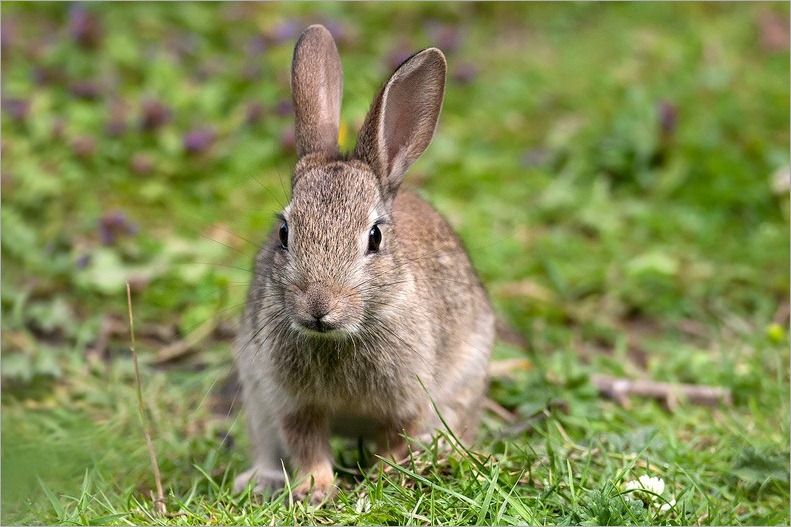
RabbitI’m sure the Rabbits and Foxes lives are intertwined in their numbers. Rabbits will go through periods where their numbers are very numerous then they will go into decline and alongside this, the number of Foxes will correspond with this since they prey upon them. I think due to their ability to multiply however, Rabbits can gain their population much quicker. |
 |
Sand MartinI’ve seen Sand Martins every year but their numbers seem to vary on their ability to find suitable nesting areas and in recent years, at least the areas I visit, these have been fewer in number. In the two most noticeable areas that I usually visit, the sand banks have either collapsed or more eroded making it easier for predators to get to the nests within the banks. |
 |
Short Eared OwlThis is an owl that’s largely a winter visitor and their visiting numbers will greatly depend on the severity and type of the winter otherwise they will stay either further north or south. Three to four years ago, they were found in large numbers a a number of locations, the past winter they were far fewer to be seen. There numbers also depend on the prey around so a good year for voles and mice will help keep the numbers up. |
 |
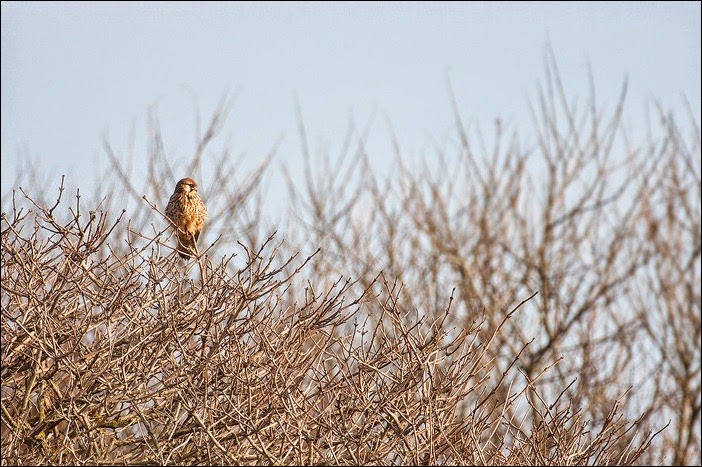
 On the way down | KestrelWhen I was growing up the Kestrel was the most common bird of prey in the UK and one I would regularly see – the hovering Kestrel is a very distinctive sight, in fact, apart from an Osprey I saw on a family holiday in Scotland, I had seen no other bird of prey until many years later. In the last year I’ve had four sightings of them, I previously could almost guarantee to see one when I went out, but not now. Hopefully it’s not a permanent change of fortunes for the Kestrel as I’ve always enjoyed watching this bird hunt and it would be a great loss. |
 |
Red SquirrelAs obvious as the Grey Squirrels rise in fortunes, so has been the Reds demise. It didn’t seem that long ago that these idyllic little animals where the only squirrel around and very common. Along with the Fox they have been my favourite animal to watch, with their pluckiness and curiosity you can’t help but love them and they are so much better looking than the Grey – their ultimate reason for their quickly vanishing from our woodlands. Unfortunately, I haven’t seen one in two years and unlikely, at least in this area, that I'll see one again! They still have a refuge further up in Northumberland and hope to spend some time later photographing them their before they disappear from there too. |
 |
PuffinDespite seeing them in as apparent large numbers as usual whenever I’ve visit the local Farne Islands, they are on the decrease, they say due to the seas warming and so the loss of their main diet of Sand Eels. If this is the case, much like the two animals above, it would be a huge loss. As with those two, the Puffin is a great animal to watch and like the Red Squirrel, seems to have it’s own special character. |
 |
| I’ve added two other animals under no particular grouping, the Otter and Sparrowhawk. Technically both are supposed to be thriving though I rarely see either. The Otter is a success story, once very rare due to the pollution of the rivers in this country, now that they are much cleaner they are now found all over the country, even in the local Tyne River, once extremely polluted due to the shipping industry. Apparently they can be found under the city lights themselves, but being nocturnal, are seldom seen unless you’re lucky. My typical sight of a Sparrowhawk is seeing shoot past in a wood as it chases its prey or I’ve disturbed it just after making its kill. Their signs of a kill are common – just a load of feathers of a pigeon which it would have then taken off with. To get a photograph of one is even rarer than seeing it due to living in the woodland and rarely keeping still or out in the open. Again, this is just a few of the most noticeable animals in recent years and there are others such as Barn Owls which I haven’t seen for a while and woodpeckers both Green and Great Spotted which I see and hear more often. I wonder what differences the next ten years will see. |
 |
 |













 I’m sure it was a surprise to all of us when the apocalypse didn’t happen a few days ago, however with the days of continuous rain we’ve been getting, it’s certainly felt like the end of the world was coming. Today this has finally had a respite, but only because the gales have blown away the clouds.