| I find it interesting to look back at previous years at the same time, to see what was about and what I was photographing at any one particular time. It’s not only a record of what is about at any particular time of year, but how much as time goes by, nature changes as does my own ability to photograph it. Every now and then I like to go back through my photographs and delete older ones as I improve, though I still like to keep some of the older ones just as a record of the past. This collection goes back to 2006 when I moved into digital photography and I’ve tried to put together a couple of images from each of those past years at the same time of the year. At the beginning of June should be a busy time – life is in full swing with animals bringing up offspring and plants in full growth – but I was surprised to find it hasn’t always the most productive time for me. Present Most activity, as expected, seems to involve parents bringing up their young, birds sing loudly proclaiming their territory and insects are everywhere. Some of the images I achieved last year couldn’t be replicated. It wasn’t as simple as going to the same place around the same time and see the same bird or animal performing the same behaviour and just goes to show nature is constantly changing. |
 |
 |
 |
 |
 |
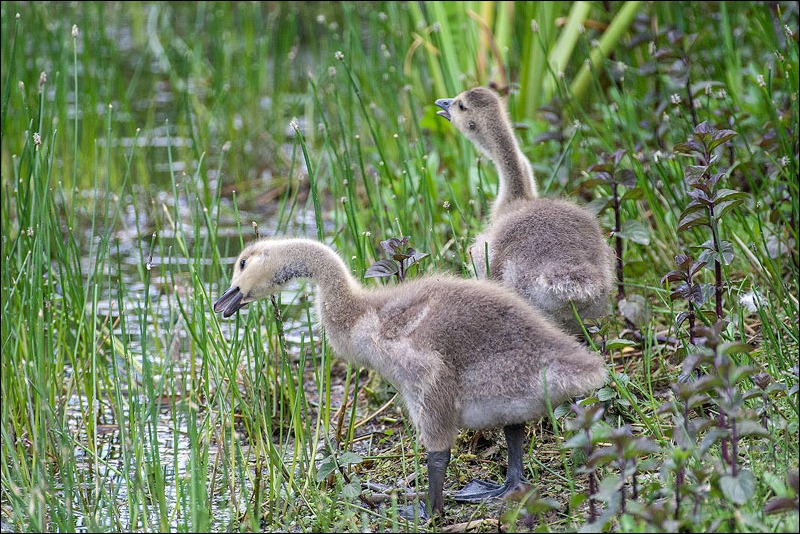
2013 Much the same as this year and, although my 500mm lens was being repaired, I don’t think it meant any missed opportunities as it seemed quite quiet considered the expected activity around. The Reed Bunting encounter was perfect for me as I was able to get close without it being to bothered by my presence. Mallards and Geese were a plenty with their young and again very approachable with just a 400mm lens. |
 |
 |
2012 I could find very little in the way of photographs taken this year, probably more down to my ability to get out as anything. Warblers were the theme of the day. |
 |
2011 Skylarks were in their numbers in the same place where today, they’ve been replaced by Reed Buntings. Same activity though, busy feeding their young. New camera this year – the Canon Mark III |
 |
 |
2010 The locations where I saw the birds in 2010, no longer have them in the same numbers or in the case of the Coots, they have gone completely due to dog owner irresponsibility at the small lake. The Sand Martins are there but in much smaller numbers, more down to the naturally changing landscapes of their nesting sites where the sand banks have eroded making a less than ideal nesting location. New lens this year, the Sigma 500mm taking over most of my wildlife photography though the Canon 400mm was still getting used as shown by the Sand Martin image below. |
 |
 |
2009 Not sure what happened this year, but I couldn’t find any images at all for June so just a Kingfisher from the following month. This year also saw my taking the plunge into getting a ‘professional’ camera, the Canon Mk IIn. This felt so much better to use than the 30D I was using and image quality also seemed an improvement. |
 |
2008 Another slow time of year for 2008 and very few images to show for it, in fact this is the only wildlife one I could find. |
 |
2007 To big steps in my photography this year. The purchase of the 30D but mostly by getting the Canon 500mm f5.6. What a difference that made both quality of images but also being able to get much closer to the wildlife, though the somewhat fierce looking Fox below was an exception in achieving that! I also replaced the kit lens with the Canon 17-40 mm lens also making a big difference to my landscapes. |
 |
 |
2006 My reintroduction into photography and in this case, digital was through a Canon 350D, a Tamron 70-300mm lens and the standard ‘kit lens’. The Tamron lens was awful – very slow and soft, the kit lens was ok but you had to use it in the right way, but I loved the 350D. It gave me a love of photography all over again. Prior to this my camera kit consisted of a couple of Olympus cameras and a statement of lenses, the longest being a 300mm mirror lens - not recommended for wildlife unless you live in a very sunny place! |
 |
 |
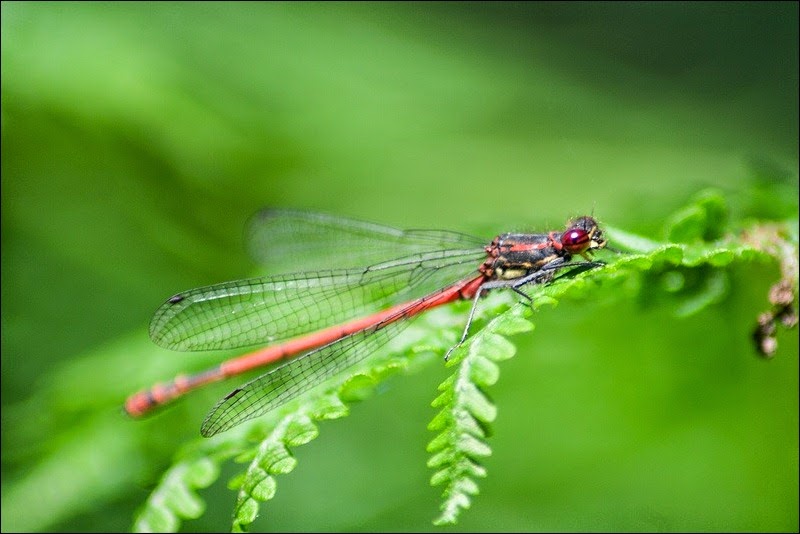
| I like to think during these years, my photography has improved as certainly my knowledge of wildlife and nature has. I feel my photography has had an impact too through various introductions – a professional body camera, the 400mm then 500mm lens. Also interesting to see the Damselflies differences. The one taken in 2006 using the Tamron zoom and very soft in quality and the most recently taken one using the Sigma 105mm lens, technically much better. |
Showing posts with label Canada Geese. Show all posts
Showing posts with label Canada Geese. Show all posts
Saturday, 7 June 2014
Monday, 17 June 2013
Siggy’s back!
| It’s been away for what seems an age, but finally my Sigma 500mm lens is back from the repairs and is as good as new thanks to the good people at Sigma. So it was with great expectations that I went out at the weekend with it. The main hope of the day was to photograph the local Red Kites but anything else was also game if I came across it and with that extra 100mm gain over what I had been using recently, more would be open to opportunity, especially small birds. It was ironic then than for the whole morning I struggled to get close to much – maybe it was simply too higher expectation – but little was filling my cameras frame. The Heron below moved away within a minute of my arrival, the Reed Buntings that had been so accommodating last week, this week didn’t keep still as was the case of a family of Long Tailed Tit fledglings I came across, Red Kites were also circling high up in the distance as was a lone Buzzard. Only a family of Canada Geese gave me the chance to reacquaint myself with the magnification of a 500mm lens. |
 A Heron deciding not to hang around for me |
 Not every image has to be filled by the subject to make it work. A Coot moving across a weed covered lake patterned by previous movements |
 |
 |
 |
| Despite the poor opportunities, I had used up most of a 2GB card when I saw a Red Kite coming low towards me and I had moments to get into an open position where the trees weren’t in the way, took one shot where my camera then refused to take anymore. Reason? It was saying ‘card full’. All I could do was watch the Kite glide over me. By the time I would have got a new one out, it would have been just in time to get the back end of the bird disappearing. I new that card was nearly full but it should have automatically transferred to the second one, trouble was I hadn’t deleted the contents of it before hand as I thought I had and this one too was full. The closest I have been to a wild Red Kite and I only managed to get one shot of – a poor one at that. I was starting to think this was not going to be my day. |
 |
| One of the best places you can see Red Kites on Tyneside is the Nine Arches Viaduct along the Derwent Walk Country Park. It’s a bit of a cross roads for them, often nesting nearby and a communal roost in winter not far away. It was here I made my final stop of the day and waited in the hope that one might just come down close enough to give me a good view. |
 Nine Arches Viaduct in the centre |
| Plenty of Kites could be seen (and heard) in the distance but none wanted to come close enough so I become distracted by a small ‘jumping spider’ patrolling right in front of me on the viaduct ledge. A macro opportunity I thought so quickly changed lenses. This spider wasn’t going to make it easy for me, it was constantly on the move and when it did stop it didn’t give me enough time to focus on it before it was off again. I’m still getting used to macro. This spider was tiny and the depth of field was a matter of millimetres and in keeping with typical wildlife photography where you always should focus on the eyes (in this case many eyes), was difficult, not helped by my having to stretch and the quite poor light – for macro at least. I did notice it going over the viaduct edge every now and then, then reappearing and hoped I could catch it just poking up over the top with those beady eyes and the lovely green background. Trouble was, I never new where exactly it would appear and when it did, it didn’t stop for long. I did mange a few shots – not exactly what I wanted but ok. I didn’t realise until I got them home and looked on the computer that it had caught something, a fly of some sought, and was carrying it off. It’s amazing really. Here I was with my newly returned long telephoto lens trying to capture distant images and drama and right under my nose, right were I was standing, drama in miniature was unfolding. I continued to ‘stalk’ this diminutive predator as it hurried along but was distracted by someone asking me was that a camera I had! I manage to resist the urge to sarcastically say, no it’s a Morphy Richards silver kettle and answered him, but now I had lost my spider. Also funny, while I was pointing the lens over the top of the viaduct, photographing something that was only centimetres away, people were stopping and looking over the edge at something they thought I must be photographing in the distance! Whilst trying to find the spider again, I noticed what I thought was a small, fluttering bird below which I then realised was in fact a bat! It’s been a long time since I’ve seen a bat and never in the middle of the day. There must be some of them living under the arches. |
 |
 |
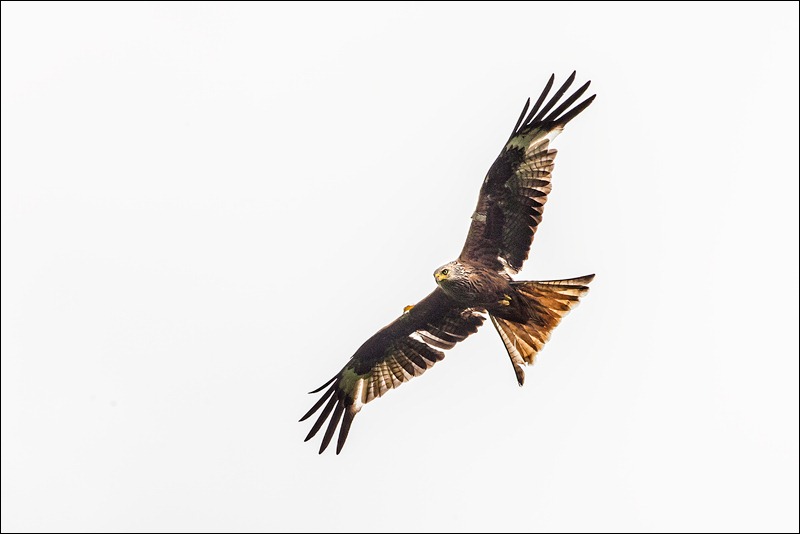
| Whilst being distracted by the bat (and the spider) a Kite passed low overhead. By the time I scrambled to get the 500mm lens back on, it was already some distance away and just as I thought I'd missed yet another opportunity, it turned and started an ascending, circling glide. By the time it made its first passing I was able to dial in some exposure compensation so as not to get a silhouette and take some frames. By the second passing I was also able to drop the ISO from the 1600 needed for the macro to 800. Still, conditions were not ideal. It was overcast, though reasonably bright with the position of the sun overhead and behind the Kite. A combination of over compensation the exposure for the Kite and the grey, formless skies, meant for a ‘washed out’ look to the images, so unfortunately, they’re not great. Still, I quite like the first showing the Swift in frame, one of many that were also flying around. It was amazing how, after only a few minutes, this bird was far up in the sky and some distance away. I don’t think I saw it once flap its wings but rather just used the natural, warm uplifts of air to effortlessly glide away. I suppose I could work on the images on the computer to bring out what hazy blue colour there was in the sky to help improve the picture and maybe try this before uploading the few decent ones to my website. I’m still waiting to get a really good, technically, Kite shot. Maybe I’ll try again over the coming months. |
 |
 |
 |
 |
 |
 |
| |
 | Update from previous post about Long Tailed Tit nest. Last week I did re visit the nest I’d been watching over a couple of weeks in hoping to see the chicks fledge. Unfortunately I came across the scene in the photograph left. It looked like a predator had got in the nest and presumably taken all the chicks. Click on the images of a larger view. You can see the nest in the background and feathers littering the foreground, presumably, lining from inside the nest. Although the nest was low down, I had thought being in a thorny Gorse bush overlooking water, it was relatively safe. It must have been a small mammal, maybe one of the weasel family. A bird of prey such as a Sparrowhawk couldn’t have got in. It’s a shame but then Long Tailed Tits do have a high mortality rate and their nests at this time of year are often raided like this. |
Sunday, 9 June 2013
Still more sunshine!
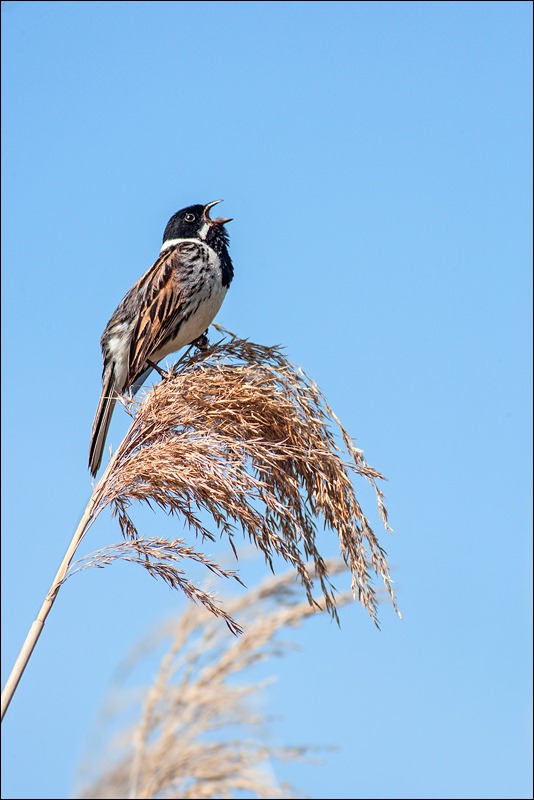
| We are being spoilt – three days of sunshine! Normally a day of good weather brings me to feverishly plan in making the most of the day by deciding on what I will be doing and photographing so as not to waste the precious moment of sunshine, but today I thought, what the heck, I'll just spend the day wondering around and enjoying the weather taking any photographic opportunities that may come my way. In the ReedsMy travels started around wetlands and reed beds where I came across this Reed Bunting, very vocal and initially quite hidden. I tried to take photographs through the reeds but every time I found a gap the wind would blow the reeds around so obstructing a clear view. It took over half an hour of patiently waiting before he came out to a spot clear of reed obstacles by which time my ability to keep the camera completely steady after holding the lens up for so long, was becoming a bit of a struggle and so fewer shots were as sharp as I would have liked. As he stayed put on this spot I had more time to frame the shot and catch it just at the right time. I noticed at every time just near the end of the song, his beak would be open continuously and so shot frames off at that point. I also tried to change to portrait viewpoint to get more of the reed in shot. |
 |
 |
 |
By the LakeElsewhere, some of the lakes geese and ducks were enjoying the sun on terra firma but I noticed every time a dog walker would come along they flew back to the water. A good opportunity to get some bird in flight shots, so sat at a spot I thought likely they’d fly past, kept the sun to my back for optimum lighting and waited. Sure enough after their returning to the spot some dogs were unleashed upon them. I was able to get quite a few shots of mostly Mallards in flight though even a Jackdaw got in on the act and gave me a fly by. Unfortunately the best of the images of this bird (see below)had some nearby trees obtruding on the right of the frame. I did toy with the idea of using the wonders of digital editing and clone the distraction out which would have probably made it a better shot, but refrained. |
 |
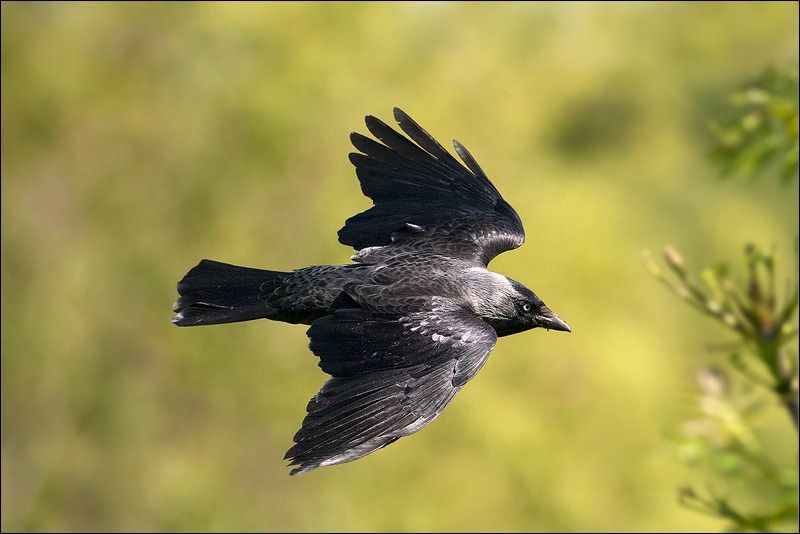 |
 |
 |
 |
 |
 |
| Interestingly, after my last excursion photographing Sand Martins in flight, I had less of a problem holding a focus lock despite a ‘busy’ background. Probably a combination of it being a much larger subject and a more consistent flight pattern as well as having more time to get that lock as I could track them from take off to passing right by me. What a difference the sun can make to a shot. It just helps to bring out the colours and give the photograph a more 3d impact. |
In the FieldsIn many of the fields the foliage was kept short by grazing horses and so had a blanket of beautiful yellow buttercups with the odd, intermittent splash of purples and whites from other wild flowers. I did notice during the day something that I had already realised in the past week, and that was how few actual flowing plants I come across – six on this day and mostly of only two variations. It was still a beautiful sight in the early afternoon sun on a sunny warm day with an almost clear sky and so sat down under the shade of a small tree for a much needed drink. |
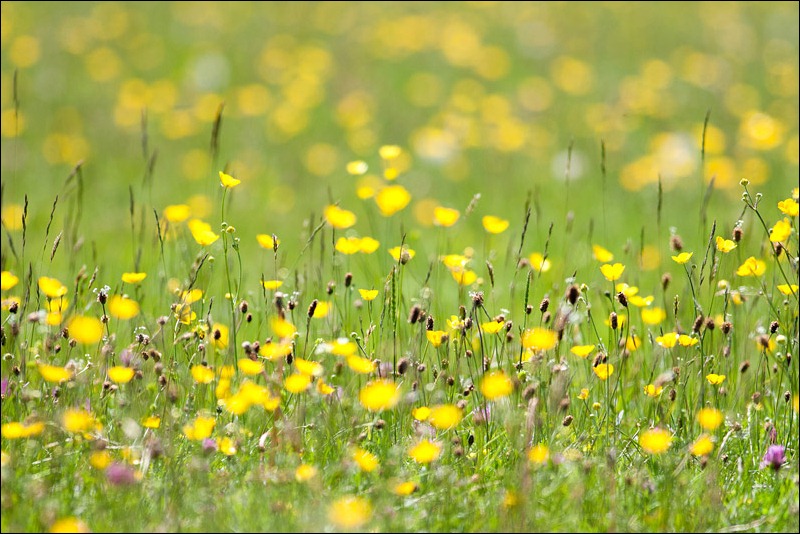 |
| There seemed to be a chorus of competing songbirds in every direction I could here and on a distant perch, a Kestrel was on the lookout for a meal and the call of a couple of Red Kites filled the air even above the songbirds though I couldn’t see them. What I did see was a leggy Crane Fly flying past and landing on some nearby grass. A quick lens change and on went my 105mm macro. A bit of insect stalking later and I was able to get a couple of frames off before it was off. Lying down photographing this, suddenly I noticed another – a small red beetle crawling around between flying from grass stem to grass stem. For the last week I’ve been looking for insects to try out my macro ‘talents’ but I had been walking around. Getting down to ground level and suddenly a whole new Serengeti appears. Many more of these beetles, small flies and various other assortments of bugs and beasties including a spider that was busy repairing its web. At least it couldn’t fly away and so gave me a good opportunity to try my new macro skills, or at least that what I thought. It was constantly moving back and forth, spinning its silk and as I tried to focus on it at a closer range every slight breath of wind literally shook the spider out of frame. Despite the bright sunshine I had to push up the ISO to 1600 just so I could get a decent shutter speed and the depth of field needed. That close and with that depth of field, just my breathing was moving the spider in and out of focus. I ended up settling for 1/1000 second at f10. I’m thinking some kind of flash is a must for this kind of work. Whilst shooting the spider I noticed another bug crawl past my viewfinder – literally! During the many lens changes I had made during the day it had somehow got inside my camera. I’m normally very careful about changing lenses so as not to get dust onto the sensor, but a small bug! The whole camera cleaning kit came out when I got back. |
| Crane Fly |
| I’m not an expert but I believe the three images below are of a Soldier Beetle |
 |
 |
 |
 |
| A Garden Cross Spider |
 |
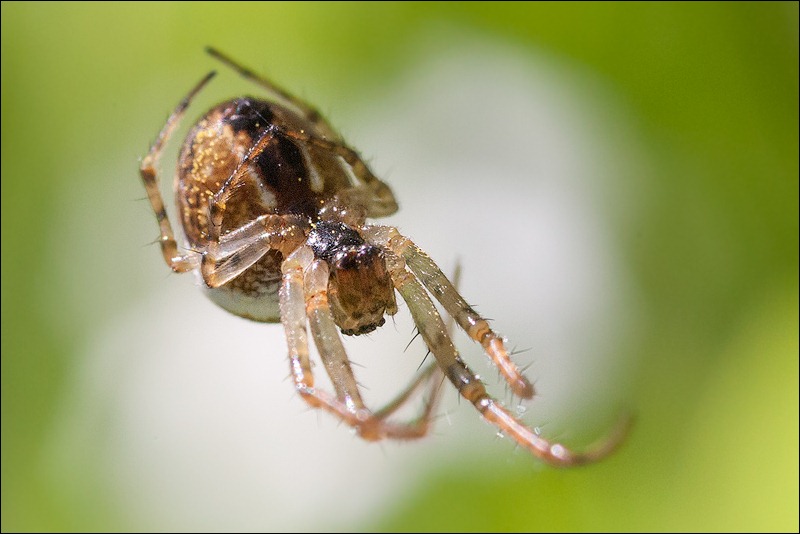 |
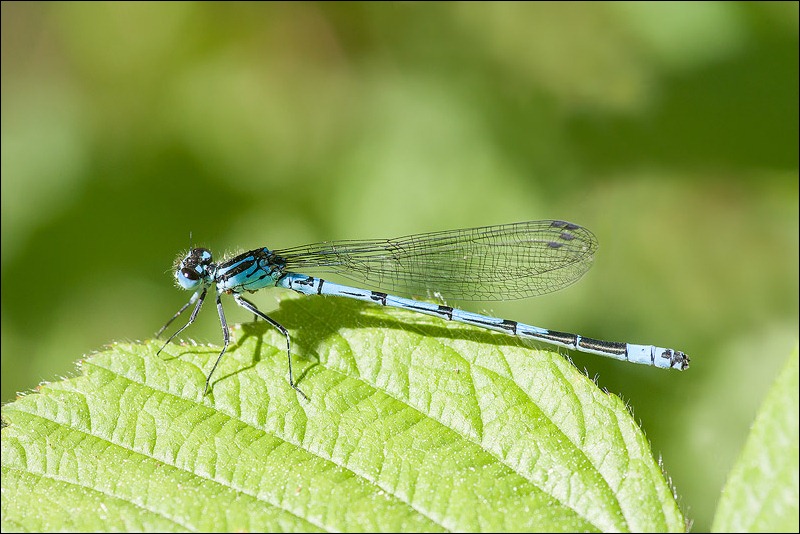
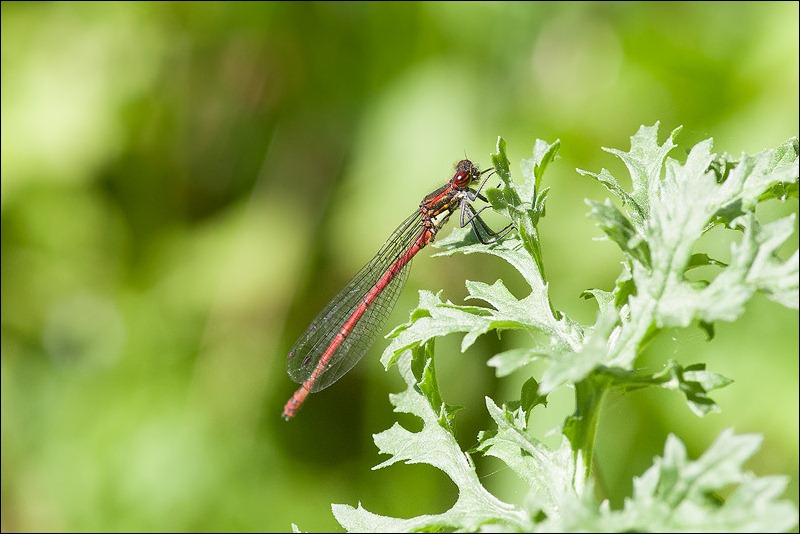
By the PondLater on coming across some small pond that looked lifeless but for some flies, so I thought I would try the same tactics as with the fields and get down low and just wait. Sure enough there was a flurry of activity with Pond Skaters everywhere. Under the water were tadpoles and small fish one of which I watched for a while as it seemed to patrol its area of territory barely a foot square in size, unconcerned by leaning over and pointing my lens at it. For the first time this year I also came across some Damsel Flies both red and blue, no Dragon Flies though. Due to their timidness and my clumsy technique of stalking them, I ended up putting my converter on the macro lens so as to help keep a bit of distance between us. |
 A Pond Skater |
 Male Stickleback |
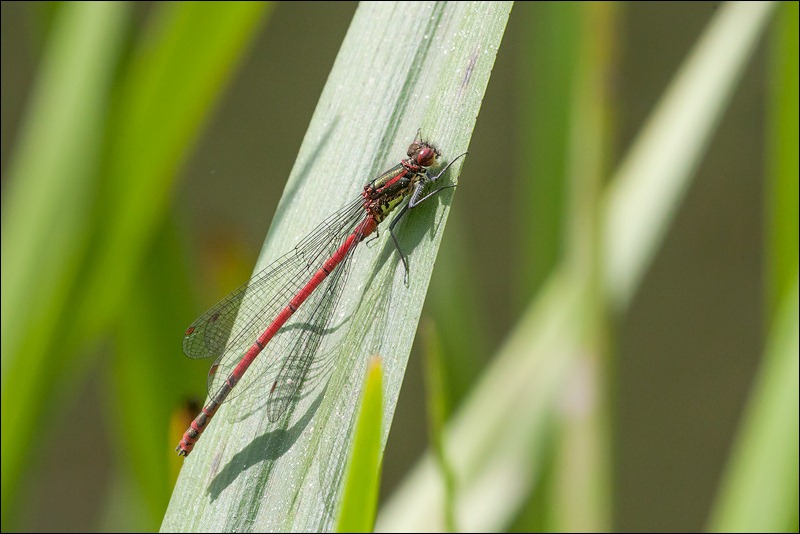 |
 |
 |
 |
 |
| My first real excursion into macro photography was quite and eye opener. In some ways it’s similar to the way I go about photographing larger animals except you have to think on a miniature scale. I’m reasonably happy with the macro shots though I’m sill learning so hopefully will improve. |

Subscribe to:
Posts (Atom)


